


Planning a wedding in VT starts with choosing the right region, venue style, season, and guest experience. This guide covers Vermont weddings in Stowe, Burlington, Lake Champlain, Woodstock, Manchester, and other scenic areas.
You’ll also find advice for destination weddings, small celebrations, micro weddings, elopements, barn venues, mountain settings, lakefront properties, seasonal planning, vendor selection, and Vermont wedding photography.
Table of Contents
- What to Know Before Planning a Wedding in VT
- The Best Vermont Regions for a Wedding
- Choosing the Right Vermont Wedding Venue
- Planning a Destination Wedding in Vermont
- Small Weddings, Micro Weddings, and Elopements
- Barn, Mountain, and Lake Weddings in Vermont
- Planning a Fall or Winter Wedding in Vermont
- Building Your Vermont Wedding Vendor Team
- Planning Your Vermont Wedding Photography
- Frequently Asked Questions About Planning a Wedding in VT
- Plan a Wedding in VT That Feels Like You
What to Know Before Planning a Wedding in VT
Planning a wedding in VT starts with a clear sense of what matters most. Vermont offers mountains, lakes, barns, resorts, inns, and intimate venues. Each setting creates a different experience for couples and guests.
Define Your Priorities First
Start with your guest count, preferred season, and overall atmosphere. These choices will shape your venue search and budget.
Next, decide how you want the day to feel. Some couples prefer a relaxed weekend with onsite lodging. Others want a smaller celebration with fewer transitions.
Venue style also matters. A mountain resort offers convenience and scenery. A barn may feel warmer and more informal. Lakefront properties create open views and memorable sunsets.
Decide Whether It Is Local or Destination-Based
Many Vermont weddings include guests traveling from outside the state. That makes lodging, transportation, and clear communication especially important.
Review nearby airports, driving times, and hotel options before booking. Mountain roads may take longer during winter or peak foliage season.
A wedding website can help guests plan. Include travel guidance, room blocks, shuttle details, and local recommendations.
Build Flexibility Into the Plan
Vermont weather can change quickly. Strong planning should include indoor backup spaces and realistic travel time.
Seasonal conditions may also affect roads, ceremony plans, and portrait timing. Winter sunsets arrive early, while summer evenings offer more light.
Leave space in the schedule for delays and quiet moments. A flexible timeline helps everyone stay present.
The best Vermont wedding plans balance beauty with comfort. Thoughtful choices can create a day that feels natural, calm, and personal.
The Best Vermont Regions for a Wedding
Vermont offers distinct wedding settings across every region. Each area has its own atmosphere, access, scenery, and venue style.
Stowe and the Green Mountains
Stowe works well for couples who want mountain views and a destination feel. Resorts, inns, and nearby lodging simplify the guest experience.
The area also suits fall and winter weddings. Snow, foliage, and changing light create strong seasonal character.
Couples should review transportation and road conditions early. Mountain travel can take longer during winter or peak foliage weekends.
Burlington and Lake Champlain
Burlington offers easier access for traveling guests. The city also provides hotels, restaurants, and entertainment near wedding venues.
Lake Champlain weddings add open views and soft evening light. Waterfront settings can feel relaxed while still offering a polished experience.
Wind and changing weather may affect outdoor ceremonies. A strong indoor backup plan can protect the timeline.
Woodstock, Windsor, and Central Vermont
Woodstock and nearby towns offer classic New England charm. Historic inns, farms, and countryside venues create a warm, timeless setting.
Central Vermont can feel quieter and more private. It also suits couples planning barn, estate, or intimate weddings.
Travel time may vary between towns and venues. Confirm lodging and transportation before finalizing the schedule.
Manchester and Southern Vermont
Manchester offers mountain scenery, estate venues, and strong destination appeal. Nearby lodging can support full wedding weekends.
Southern Vermont also works well for fall celebrations. The region blends historic character with outdoor settings.
Couples should book popular dates early. Fall weekends can attract both wedding guests and seasonal visitors.
Northern Vermont and Franklin County
Northern Vermont offers open landscapes, farms, and smaller communities. These areas may suit couples seeking privacy and a slower pace.
Rural venues can create a personal experience. However, lodging and transportation may require more planning.
The best Vermont region depends on your priorities. Choose the area that supports your guests, venue style, and desired atmosphere.
Choosing the Right Vermont Wedding Venue
The right venue should support your plans, not create extra pressure. Start with guest count, season, lodging, and location.
Barn and Farm Venues
Barn venues offer warmth, texture, and classic Vermont character. Some feel rustic, while others provide a more refined experience.
Ask about heating, cooling, flooring, and indoor ceremony options. These details can affect comfort throughout the day.
Farm venues may also have limited nearby lodging. Review transportation before making a final decision.
Mountain and Resort Venues
Mountain resorts combine scenery with guest convenience. Many offer lodging, dining, and several event spaces.
These venues work well for destination weddings and full weekends. They can also simplify transportation between events.
Seasonal access remains important. Snow, wind, and early sunsets may shape the wedding timeline.
Lakefront and Waterfront Venues
Lakefront venues create open views and strong sunset opportunities. They often feel relaxed and spacious.
Wind can affect ceremony sound, décor, and guest comfort. Ask about covered spaces and weather backup plans.
Lodging may also influence the guest experience. Nearby accommodations can make waterfront weddings easier to attend.
Small and Intimate Venues
Small wedding venues in VT can offer privacy and flexibility. Inns, estates, and boutique properties often suit lower guest counts.
Ask about package minimums and weekday availability. Some venues offer special options for micro weddings.
Choose a venue that fits how you want the day to feel. A strong match creates better flow, comfort, and connection.
Planning a Destination Wedding in Vermont
A destination wedding in Vermont can feel immersive, scenic, and deeply personal. It also requires careful planning for travel, lodging, and guest comfort.
Plan for Travel and Transportation
Start by reviewing the nearest airports and driving routes. Vermont travel times can feel longer than expected, especially in mountain areas.
Seasonal conditions may affect arrival times. Snow, foliage traffic, and rural roads can all slow travel.
Consider shuttles when guests stay away from the venue. Clear transportation plans reduce stress and help the timeline stay on track.
Make Lodging Simple
Onsite lodging can make the weekend feel more connected. It also reduces travel between wedding events.
When onsite rooms are limited, create a clear list of nearby inns and hotels. Include distance, pricing range, and transportation details.
Room blocks can help guests plan earlier. They also make it easier to keep everyone near the main events.
Create a Full Wedding-Weekend Experience
A Vermont destination wedding often works best as a full weekend. Welcome parties help guests settle in before the ceremony.
Local activities can also shape the experience. Couples may include hiking, village visits, lake outings, or relaxed group meals.
A farewell brunch gives everyone time to reconnect before leaving. These extra moments often become meaningful parts of the celebration.
Strong planning helps guests feel supported. It also allows couples to stay present and enjoy the weekend.
Small Weddings, Micro Weddings, and Elopements
Smaller celebrations can feel intentional, relaxed, and emotionally focused. Vermont offers many settings for intimate weddings, micro weddings, and elopements.
When a Micro Wedding Makes Sense
A Vermont micro wedding usually includes fewer guests and a simpler schedule. That can create more time for conversation and connection.
Smaller events also allow greater venue flexibility. Inns, farms, estates, and private properties may work well for lower guest counts.
Couples can often invest more deeply in the guest experience. Thoughtful meals, lodging, and personal details become easier to prioritize.
Planning a Vermont Elopement
A Vermont elopement can feel adventurous or quiet. The setting should match the couple’s comfort, access needs, and vision.
Review permits where required. Also consider parking, weather, seasonal closures, and travel time.
Build enough time for portraits and private moments. A flexible plan helps the experience feel natural rather than rushed.
Choosing a Small Venue
Small wedding venues in VT should feel balanced at a lower capacity. Large spaces can feel empty without the right layout.
Ask about weekday availability, package minimums, and indoor backup options. Some venues offer dedicated micro-wedding packages.
The best small venue should support closeness without feeling limited. It should help the celebration feel complete, personal, and easy to enjoy.
Barn, Mountain, and Lake Weddings in Vermont
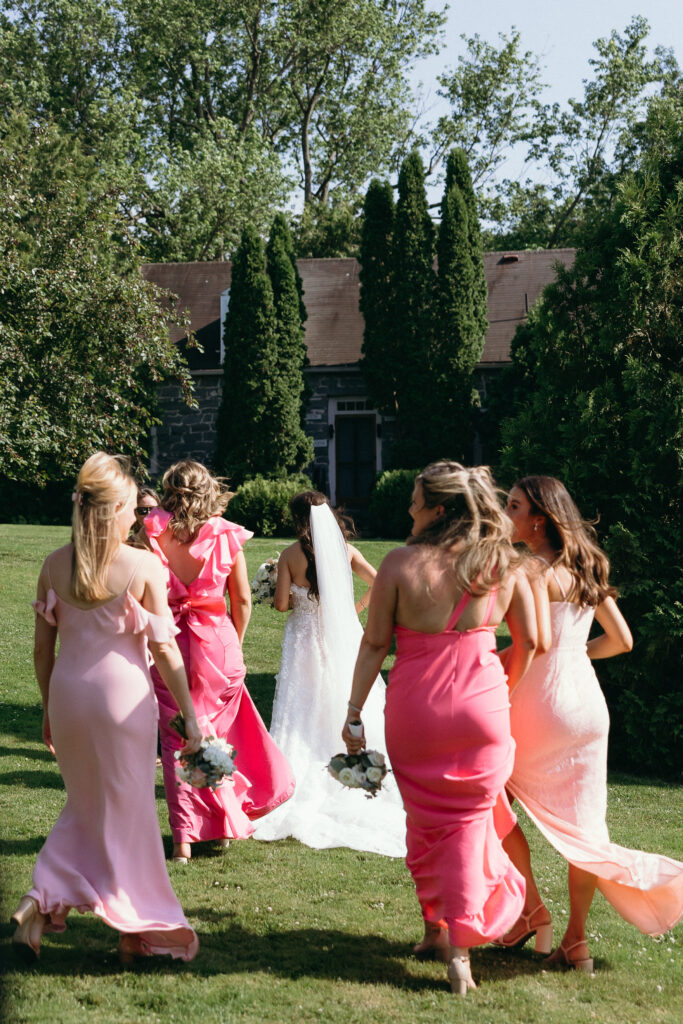
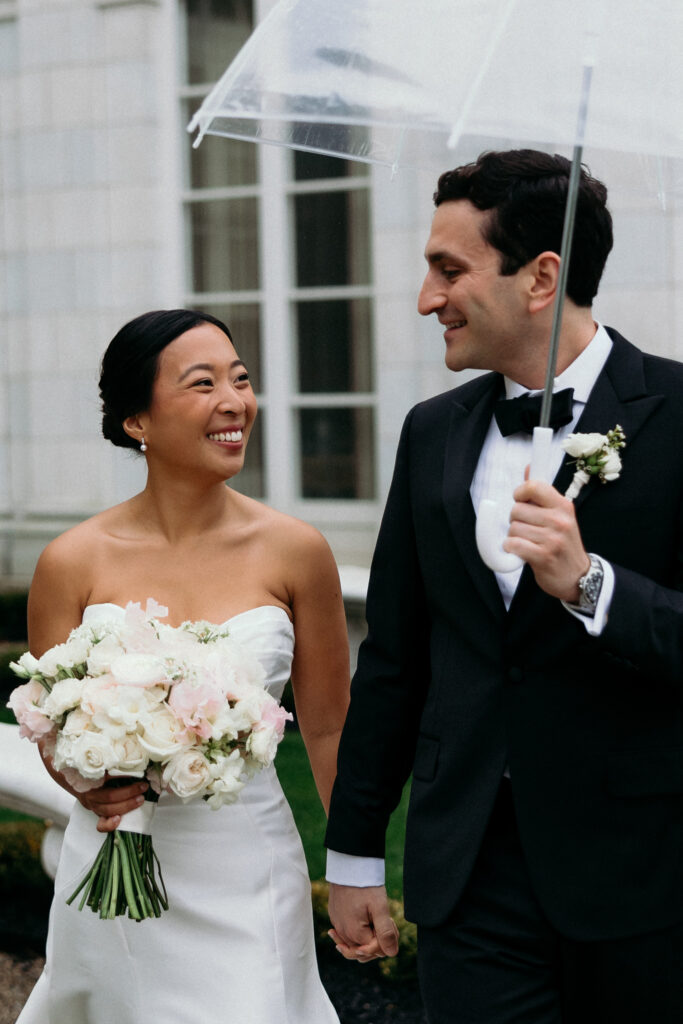
Vermont offers several distinct wedding settings, and each creates a different experience. Barns feel warm and grounded. Mountains feel dramatic and expansive. Lakes feel open, calm, and reflective.
Barn Weddings
A Vermont barn wedding often blends rustic character with modern comfort. Some barns feel relaxed and informal. Others offer polished interiors, thoughtful lighting, and refined details.
Ask about heating, cooling, flooring, and indoor ceremony options. These details affect comfort and guest movement. Nearby lodging also matters, especially in rural areas.
Barn venues work well for couples who want warmth, texture, and classic Vermont scenery. They also offer strong options for rain or changing weather.
Mountain Weddings
A Vermont mountain wedding creates a dramatic setting with wide views and seasonal color. Resorts often add lodging, dining, and transportation support.
Weather can change quickly at higher elevations. Wind, fog, and early sunsets may affect outdoor plans. Build extra time into the schedule and confirm backup spaces.
Mountain venues suit couples who want a destination feel. They also work well for fall foliage and winter celebrations.
Lake Weddings
A Lake Champlain wedding can feel relaxed, scenic, and guest-friendly. Waterfront settings often provide soft evening light and memorable sunset views.
Wind may affect ceremony sound, floral design, and guest comfort. Ask about covered spaces and indoor options before booking.
Lake venues often work well for destination weddings. Nearby lodging can also support a full wedding weekend.
Outdoor Weddings
Outdoor wedding venues in VT need thoughtful planning. Shade, temperature, footwear, and accessibility all affect the guest experience.
A strong weather plan protects the day without changing its character. Choose a venue that feels beautiful in both its primary and backup spaces.
Planning a Fall or Winter Wedding in Vermont
Vermont’s seasons shape the atmosphere, logistics, and timeline of every wedding. Fall brings color and high demand. Winter creates quiet scenery and a more intimate mood.
Fall Weddings in Vermont
A Vermont fall wedding can feel vibrant and deeply seasonal. Foliage adds natural color to mountain, barn, and lake settings.
Peak weekends often book early. Lodging may also fill quickly in popular towns. Encourage guests to reserve rooms as soon as possible.
Temperatures can shift throughout the day. Warm afternoons may turn into cold evenings. Provide blankets, heaters, or indoor gathering spaces when needed.
Foliage timing changes each year. Avoid planning around one exact weekend. Instead, choose a venue that looks beautiful throughout the season.
Winter Weddings in Vermont
A Vermont winter wedding can feel romantic, quiet, and distinctive. Snowy landscapes work well for resorts, inns, and mountain venues.
Early sunsets affect the photography timeline. Couples may need a first look or earlier ceremony to protect daylight.
Road conditions also matter. Consider guest transportation, nearby lodging, and flexible arrival times.
Indoor spaces should feel intentional, not temporary. A strong winter venue offers comfortable gathering areas and reliable heating.
Spring and Summer Considerations
Spring brings fresh greenery, but rain and mud remain common. Review parking, walkways, and indoor backup options.
Summer offers long evenings and more portrait time. Heat, humidity, and insects may still affect comfort.
Every season can support a beautiful wedding in VT. The best choice depends on your priorities, guest needs, and preferred atmosphere.
Building Your Vermont Wedding Vendor Team
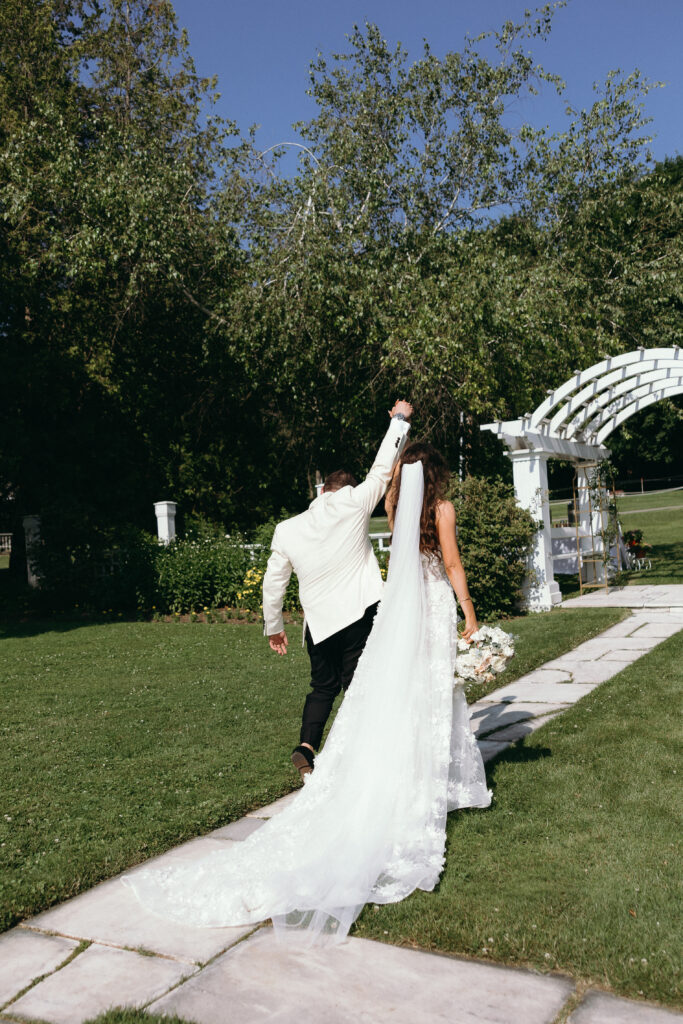
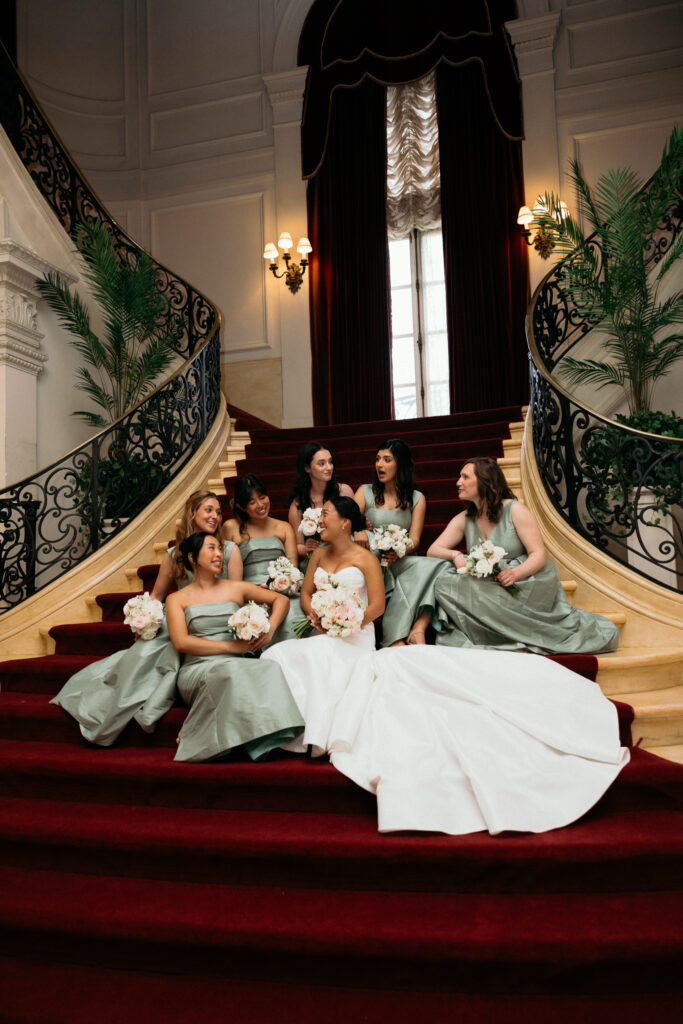
The right vendor team can make a wedding in VT feel calm, organized, and enjoyable. Start with professionals who understand Vermont’s weather, travel, and venue logistics.
Start With the Venue and Planner
Your venue shapes many later decisions. It affects the timeline, layout, catering, transportation, and guest experience.
A local planner can help organize those details. They may also recommend vendors who already know the property.
Book High-Priority Vendors Early
Popular Vermont wedding dates can fill quickly, especially during summer and fall. Secure your photographer, planner, caterer, and entertainment early.
Florists, transportation teams, and rental companies may also have limited availability. Early booking creates more choice and reduces pressure.
Choose Vendors With Regional Experience
Vermont weddings often involve mountain roads, changing weather, and rural locations. Experienced vendors know how to plan around those conditions.
Ask each vendor about travel fees, backup plans, and venue familiarity. Clear communication helps everyone work from the same expectations.
A strong team should support the experience without adding unnecessary complexity. Choose professionals who feel dependable, collaborative, and aligned with your priorities.
Planning Your Vermont Wedding Photography
Photography should preserve the day without making it feel overly directed. A thoughtful plan creates space for portraits, family photos, and natural moments.
Choose a Style That Feels Natural
Start by reviewing full wedding galleries, not only social media highlights. Complete galleries show how a photographer handles different light and emotions.
Documentary photography focuses on real moments as they unfold. Editorial guidance can add structure when couples need direction.
The right approach should match your comfort level. Your photographs should feel honest, polished, and true to the experience.
Build the Timeline Around Light
Ceremony time affects portraits, family photos, and sunset opportunities. Winter weddings may require an earlier schedule.
A first look can create more flexibility. It can also protect portrait time before guests arrive.
Leave space between major events. A rushed timeline can limit variety and increase stress.
Plan for Weather Changes
Vermont weather can shift quickly. Discuss indoor portrait options and flexible timing with your photographer.
Rain, snow, and fog can still create beautiful images. A calm plan helps couples stay present when conditions change.
Look for Vermont Experience
A Vermont wedding photographer should understand seasonal light, mountain travel, and changing conditions. Regional experience can also improve timeline planning.
The best photography plan supports the day rather than controlling it. Good preparation creates more room for real connection.
Frequently Asked Questions About Planning a Wedding in VT
What is the best month for a wedding in Vermont?
The best month depends on your priorities. September and October offer foliage, but popular dates book early.
Summer provides longer evenings and warmer weather. Winter brings snow, early sunsets, and a quieter atmosphere.
Spring feels fresh, though rain and mud may affect outdoor plans.
How far in advance should couples book a Vermont wedding venue?
Many couples begin 12 to 18 months ahead. Popular summer and fall weekends may require more time.
Smaller weddings and weekday dates can offer greater flexibility. Always confirm current availability directly with each venue.
What are the best places for a wedding in Vermont?
Popular areas include Stowe, Burlington, Lake Champlain, Woodstock, Manchester, and the Green Mountains.
Each region offers a different experience. Couples can choose mountain resorts, barns, estates, inns, or waterfront properties.
The best location should support guest travel, lodging, and the desired atmosphere.
Are there Vermont wedding venues with lodging?
Yes. Many resorts, inns, and destination properties offer onsite accommodations or nearby room blocks.
Lodging can simplify transportation and create a more connected wedding weekend. It also supports welcome events and farewell brunches.
Can couples have a small wedding in Vermont?
Yes. Vermont offers inns, farms, estates, resorts, and private properties for smaller celebrations.
Some venues provide weekday or micro-wedding packages. Ask about minimum guest counts, package requirements, and indoor backup spaces.
Is Vermont a good destination-wedding location?
Vermont works well for couples who value scenery, seasonal character, and a relaxed guest experience.
The state offers mountain towns, lakeside settings, historic villages, and full-weekend venues. Travel planning remains important for rural areas.
What should couples consider for an outdoor wedding?
Review weather backup spaces, shade, accessibility, footwear, and guest comfort.
Wind, heat, rain, and changing temperatures can affect the ceremony. A strong backup plan should feel intentional.
When should couples book a Vermont wedding photographer?
Couples often book photography after securing the venue and date. Popular weekends may fill early.
Review complete galleries before choosing. Look for experience with Vermont weather, seasonal light, and rural travel.
Plan a Wedding in VT That Feels Like You
A wedding in VT can feel expansive, intimate, or quietly personal. The strongest plans reflect your priorities and protect the experience.
Choose a venue that supports your guests, season, and preferred atmosphere. Build a timeline with enough space for connection.
Whether you choose a mountain resort, lakeside property, historic inn, or Vermont barn, the day should feel true to you.
My photography approach blends documentary storytelling with refined, true-to-tone imagery. I offer guidance when needed, then let moments unfold naturally.
Explore the wedding experience, view recent Vermont galleries, or share your plans through the inquiry form.

At the heart of it all, I’m passionate about authentically capturing your story, blending artistic flair with a documentary approach. As your Vermont wedding photographer, my style is all about creating images that feel real and true to who you are, with just the right touch of creativity to make them stand out. Whether it’s the quiet, intimate moments or the big, joyous celebrations, I focus on capturing the essence of your day in a way that feels both timeless and uniquely you.
Meet your photographer
Liz Bashaw

Your story deserves to be documented with care, wherever you are in your journey. From your engagement to your wedding day and the quiet, beautiful moments that follow, every session is rooted in connection, artistry, and the timeless character of New England.


Elegant, effortless, and true-to-tone — I capture weddings across Vermont and New England with a documentary style that blends refined direction and natural emotion. Every image preserves the laughter, light, and love that define your celebration.
Starting at $7,000
Weddings
Your engagement session is the beginning of your story. As a Vermont engagement photographer, I’ll capture the ease and excitement between you in locations that reflect your personality — from lakeside strolls to mountaintop views.
Starting at $850
Engagement
These are the fleeting, heart-centered moments that become your family’s first memories. As a Vermont lifestyle photographer capturing newborn, family, maternity and more I focus on natural light, gentle direction, and the quiet joy of your growing connection.
Starting at $750


